Wednesday, October 20, 2010


Monday, October 18, 2010
This is what I like...
Campbell came to school and showed me an ocarina. I had never heard of an ocarina. Campbell bought it during the summer and he knew what it was and how to play it. He told me it goes along with our study of the Incas, Mayans, and Azteks. I looked it up and he was right. Then he played it for me. I like when a student makes connections with things that we are studying. Interesting find and great job, Campbell!
Thursday, October 14, 2010
Mysterious Inca Brainteasers
Click here to retake the Mysterious Inca Brainteaser Quiz that we used to introduce the Incas. Can you get a 100%? How much do your parents know? You can let them try the quiz too! Grades aren't recorded! This is a good way to review and learn important information.It is found on the National Geographic for Kids website.
Words are Music
"Writing is hard work, but sometimes words come by magic."
This week our reading selection is part of an autobiography by children's author Eloise Greenfield. Here is Eloise Greenfield giving a talk last month on writing.
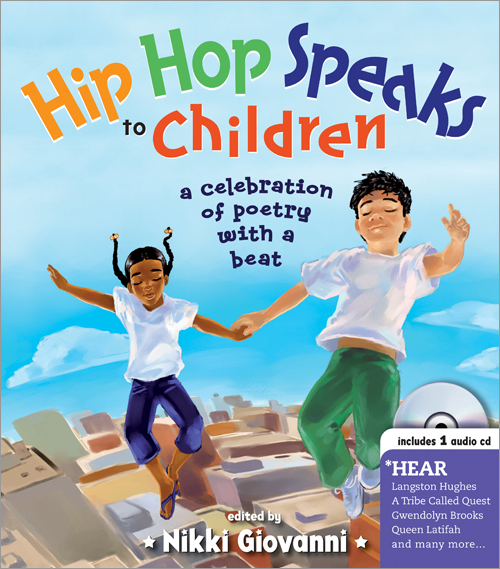
We also listened to Eloise Greenfield reading a couple of her poems in the book, "Hip Hop Speaks to Children".
Wednesday, October 13, 2010
Science: Mixtures and Solutions
Today we started a science unit on Mixtures and Solutions. We learned that a "mixture" is two or more materials stirred together. A "solution" is a special mixture that happens when a material dissolves in water. We made mixtures out of water and gravel, water and powder, and water and salt. We also learned that the materials in a mixture can be seperated. We used filters to try to seperate our mixtures.
Hmm. The screen seperated the gravel from the water. The filter seperated the powder from the water. How can we seperate the salt from the water?
Tuesday, October 12, 2010
Everyday Math: Partial Sums Algorithm
Today we reviewed the Everyday Math algorithm for addition called the Partial-Sums Method. Most fifth graders have mastered an algorithm of their choice for addition. If the are proficient in using that algorithm then they should use it. They are, however, expected to know the partial-sums algorithm for addition. The method helps them develop their understanding of place value and addition. In the partial-sums method, addition is performed from left to right, column by column. The sum for each column is recorded on a seperate line. The partial sums are added at either each step or at the end.
Here is a video that explains how to do this method: Addition Partial-Sums. The Everyday Math company has put the algorithims used in its program online. The animated directions take you through a problem step-by-step so students can refresh their memories or parents can learn the new algorithims. These are great refreshers, models, and argument breakers!
Here is the link to take you to the algorithms. Just click on the button for "Algorithims in Everyday Math", then click on grade 5, select an operation, an algorithim, and then an animation.
Friday, October 8, 2010
"So Much Depends...": Digital Poems
The first of our poems are completed on Animoto. These are based on "The Red Wheelbarrow" by William Carlos Williams.
Subscribe to:
Posts (Atom)


